
Restorative Regulation Strategies: Building Safety, Connection, and Capacity for Repair

Restorative justice is fundamentally relational work. A conversation is never just a conversation, it is nervous system work, relational work, and healing work. Whether we’re facilitating a circle, supporting a conflict repair, or engaging in a one‑on‑one restorative dialogue, our first responsibility is to ensure that everyone involved is regulated enough to talk. Here are restorative regulation strategies.
Understanding Regulation in Restorative Justice
Restorative justice is fundamentally relational work. A conversation is never just a conversation, it is nervous system work, relational work, and healing work. Whether we’re facilitating a circle, supporting a conflict repair, or engaging in a one‑on‑one restorative dialogue, our first responsibility is to ensure that everyone involved is regulated enough to talk.
Regulation is not a luxury; it is the foundation that makes accountability, empathy, and problem‑solving possible. Research shows that young people who participate in restorative processes often struggle with communication, emotional expression, and regulation when trauma is present (Wood, 2023). Without regulation, the nervous system shifts into survival mode, prioritizing protection over connection. In that state, the parts of the brain responsible for listening, reasoning, and perspective‑taking go offline.
Restorative practice honors this reality. We slow down. We check in. We create conditions where people can show up with dignity rather than defensiveness.
And we recognize that regulation looks different for everyone. Some people settle through talking. Others need quiet, movement, water, or space before they can engage. Asking participants what helps them regulate, or offering simple strategies like deep breathing, walking, drinking water, crying, drawing, or grounding exercises, is not a detour. It is part of the restorative process itself.
Co‑Regulation: Safety as a Shared Practice
Co‑regulation is the process of helping another person’s nervous system settle, orient, and return to relational balance. It is one of the most powerful tools we have in restorative work.
When someone is overwhelmed or activated, they cannot access the parts of the brain responsible for empathy, accountability, or problem‑solving. Co‑regulation offers physiological grounding, the felt sense of “I’m safe enough to stay present.” Bath’s (2008) work on trauma‑informed care identifies connection as one of the three pillars of regulation, reinforcing that nervous systems settle in relationship.
“The key to learning self-regulation skills, says Dr. Rouse, is not to avoid situations that are difficult for kids to handle, but to coach kids through them and provide a supportive framework — clinicians call it “scaffolding” the behavior you want to encourage — until they can handle these challenges on their own.” –How Can We Help Kids With Self-Regulation?
This shifts the dynamic from managing behavior to building safety together, which is the heart of every circle, every repair conversation, and every community‑based response to harm.
Co‑regulation can be simple:
Sitting near someone supportive
Speaking in a calm, steady tone
Taking a short walk together
Offering reassurance or clarity
Being a quiet, grounded presence
These small relational gestures help participants stay within their window of tolerance so they can engage without becoming flooded or shut down.
Asking questions like “Do you feel regulated enough to talk?” or “What would help you settle right now?” reinforces that regulation is a shared responsibility, not an individual burden.
Trauma‑Informed Practice: The Bridge Between Safety and Repair
Trauma‑informed care (TIC) and restorative practice (RP) share a core commitment: healing happens through connection, not punishment.
“Understanding the link between trauma and behavior can inform the development of more effective and compassionate interventions for individuals who have been traumatized and involved in the [discipline] system (Restorative Justice as a Trauma-Informed Approach).
Both frameworks recognize that behavior is shaped by past experiences, especially trauma, and that dysregulation is often a nervous system response rather than a deliberate choice. Trauma‑informed restorative practice understands that people cannot meaningfully engage in repair, accountability, or conflict resolution when they feel unsafe, overwhelmed, or disconnected from their bodies.
A trauma‑informed restorative approach:
Prioritizes emotional and physiological safety
Recognizes signs of dysregulation and responds with care
Builds environments where people feel heard, supported, and respected
Creates predictable processes that reduce fear and uncertainty
Emphasizes agency, choice, and pacing
Understands that regulation is a prerequisite for meaningful dialogue
When restorative spaces integrate trauma‑informed principles, participants are more able to stay present, tell the truth, listen deeply, and engage in repair without shame or defensiveness.
Two Early Steps in Restorative Conversations
Step 1: Identify Needs
Before addressing harm, we identify what each person needs to feel steady enough to participate. Needs might include:
Time
Clarity about the process
Movement or water
A support person
A slower pace
Naming needs helps participants feel anchored and reduces the pressure to “push through” dysregulation.
Step 2: Name the Feelings
Emotions exist on a spectrum — from mild discomfort to intense overwhelm. Naming feelings helps participants understand what’s happening internally and signals whether they’re ready to continue.
Common signs of dysregulation include:
Intense or disproportionate reactions
Rapid mood shifts
Difficulty calming down
Impulsive or reactive behavior
Emotional shutdown or dissociation
Trouble identifying emotions
Shame or self‑criticism after episodes
These are nervous system responses, not character flaws.
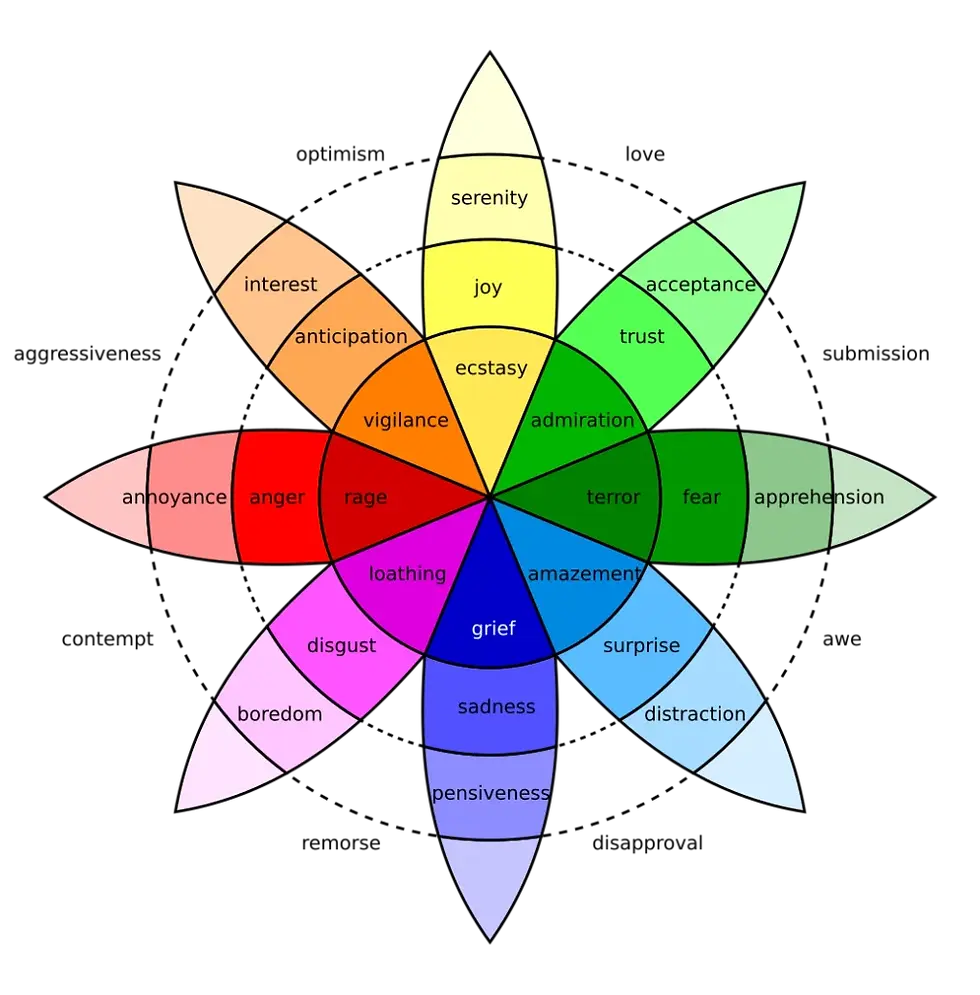
Plutchik's Wheel of Emotions
Key Regulation Strategies for Restorative Approaches
Below are condensed, high‑impact strategies that support regulation without overwhelming participants with options. These can be offered before or during restorative conversations.
1. Ground the Body
Simple physical shifts can help settle the nervous system. Movement signals safety and helps release activation.
Take a short walk
Roll shoulders or stretch
Press feet firmly into the floor
Change seats or positions
2. Use the Breath
Breathing is one of the fastest ways to shift physiological state. These techniques help the body return to baseline.
Take three slow breaths
Exhale longer than you inhale
Try a “physiological sigh” (two small inhales + long exhale)
3. Engage the Senses
Sensory input can soothe or re‑orient attention. Sensory grounding helps participants stay present.
Dim lights or move to a quieter space
Hold a textured object or fidget
Drink something warm or cold
4. Practice Cognitive Regulation
Gentle thinking strategies can interrupt overwhelm. These tools help people shift from reactivity to reflection.
Ask: “What do I need right now?”
Name the feeling
Give yourself permission to pause
5. Co‑Regulate with Someone Trusted
Connection regulates the nervous system. Co‑regulation reminds us we don’t have to navigate hard moments alone.
Sit near someone supportive
Ask someone to walk with you
Say, “I’m having a hard time.”
6. Take Space When Needed
Stepping away is a restorative act, not avoidance. Space helps prevent escalation and supports dignity.
Ask for a break
Step into a hallway or quiet area
Request to revisit the conversation later
7. Allow Emotional Release
Expression is part of regulation. Release helps the body reset.
Cry
Journal
Draw
Talk it out with someone safe
Building Regulation Into Everyday Practice
Regulation is easier when it’s part of daily life. Eating regularly, drinking water, getting enough sleep, moving the body, and taking breaks before overwhelm hits all support nervous system resilience. Knowing early signs of stress and having comfort items or quiet spaces available can make restorative conversations smoother and safer.
In school settings, regulation might look like asking for directions one step at a time, using headphones, taking a movement break, or saying, “I need a minute.” These small practices build agency and reduce shame around needing support.
Closing Reflection
Restorative justice is not just a method for addressing harm, it’s a way of being in relationship. Regulation is the soil that allows accountability, empathy, and repair to grow. When we honor the nervous system, we honor the humanity of everyone involved.


Comments